
In daily lab work, many contaminants form strong adhesion once dried. Ordinary cleaning methods cannot remove them completely. Even tiny residues lead to unstable baselines, biased test data and poor experimental repeatability. Traditional manual soaking and repeated scrubbing take lots of time and labor. They also fail to deliver consistent cleanliness, which causes frequent re-work in many labs.
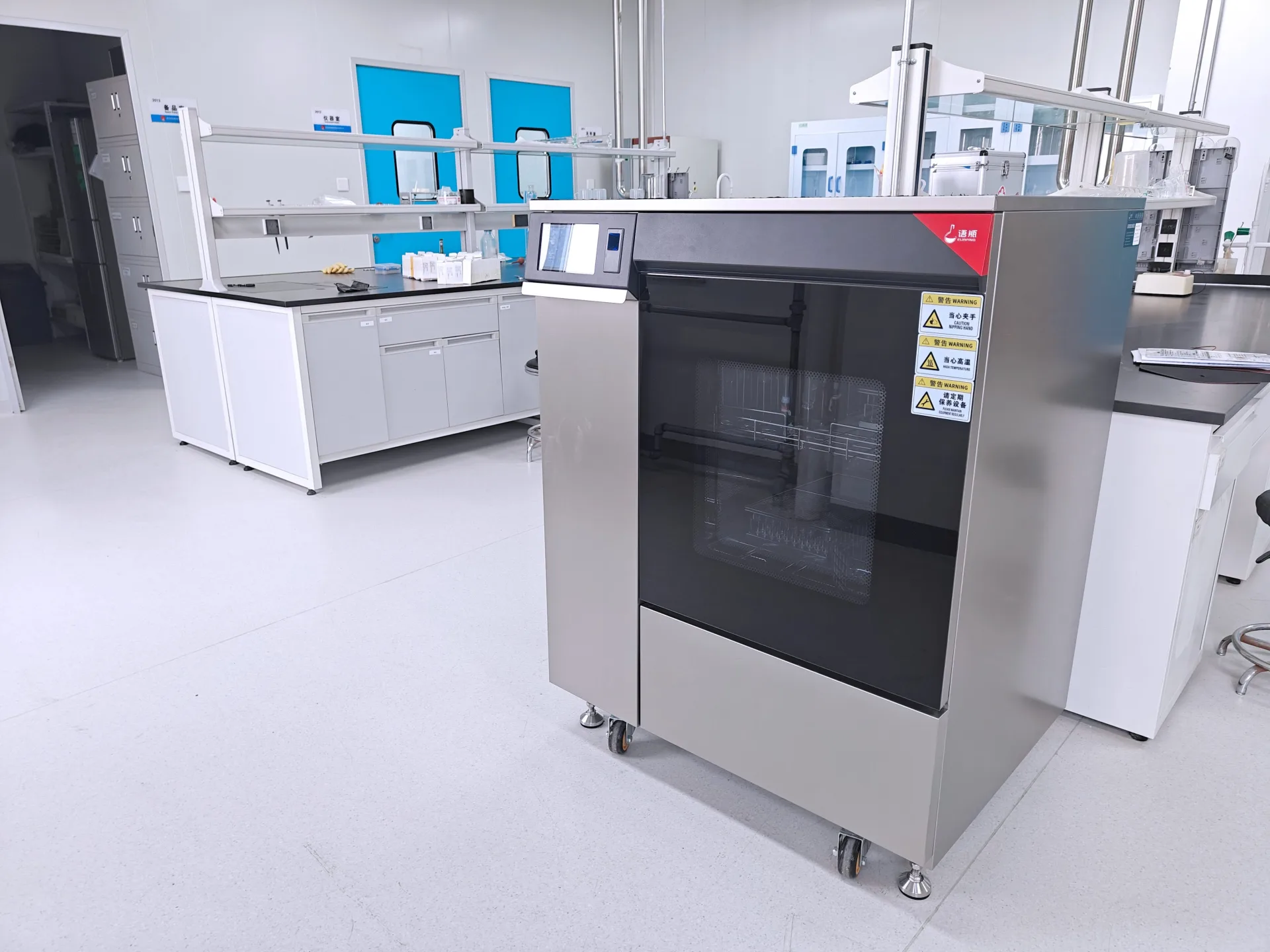
Targeted Cleaning to Remove Stubborn Residues
Pharmaceutical labs often face organic contaminants such as protein residues, drug intermediates and fermentation extracts. These substances stick tightly to glass walls after drying. EURPING’s dedicated temperature-controlled cleaning programs use gradual temperature rise together with matched cleaning workflows. They fully dissolve organic matter and strip away fine residues layer by layer, meeting high-precision testing and compliance requirements for pharmaceutical manufacturers.
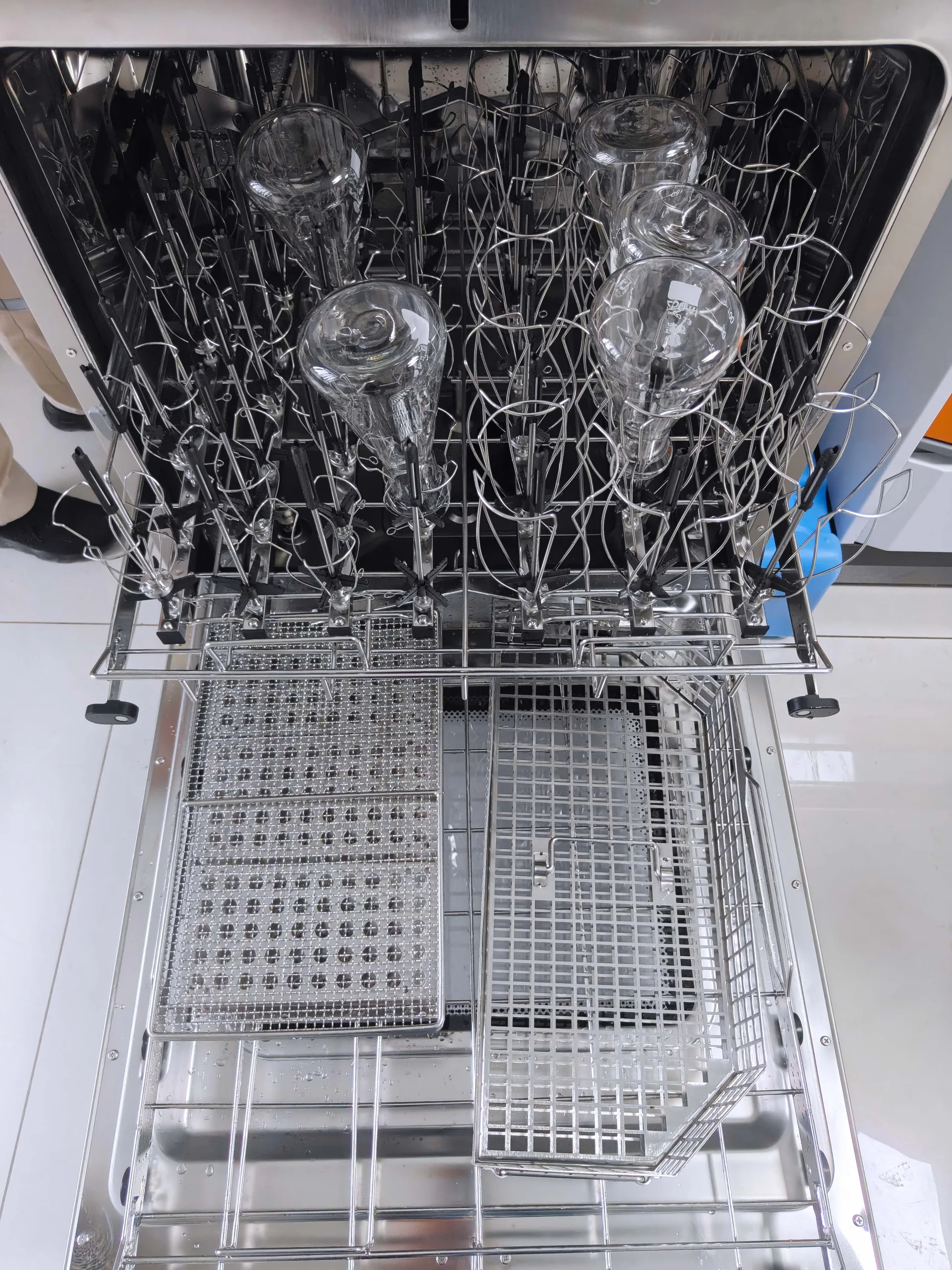
Effectively Resolve Heavy Petrochemical Oil Deposits
For heavy-duty petrochemical stains including heavy oil, colloids and viscous hydrocarbon sediments, the machine uses high-temperature emulsification plus repeated circulating rinses. It softens thick oil films and washes away stubborn grease layer by layer. It eliminates common issues from standard cleaning such as incomplete removal, oil residue on bottle walls and high background signals. It suits high-frequency heavy-contamination working conditions in petrochemical laboratories.
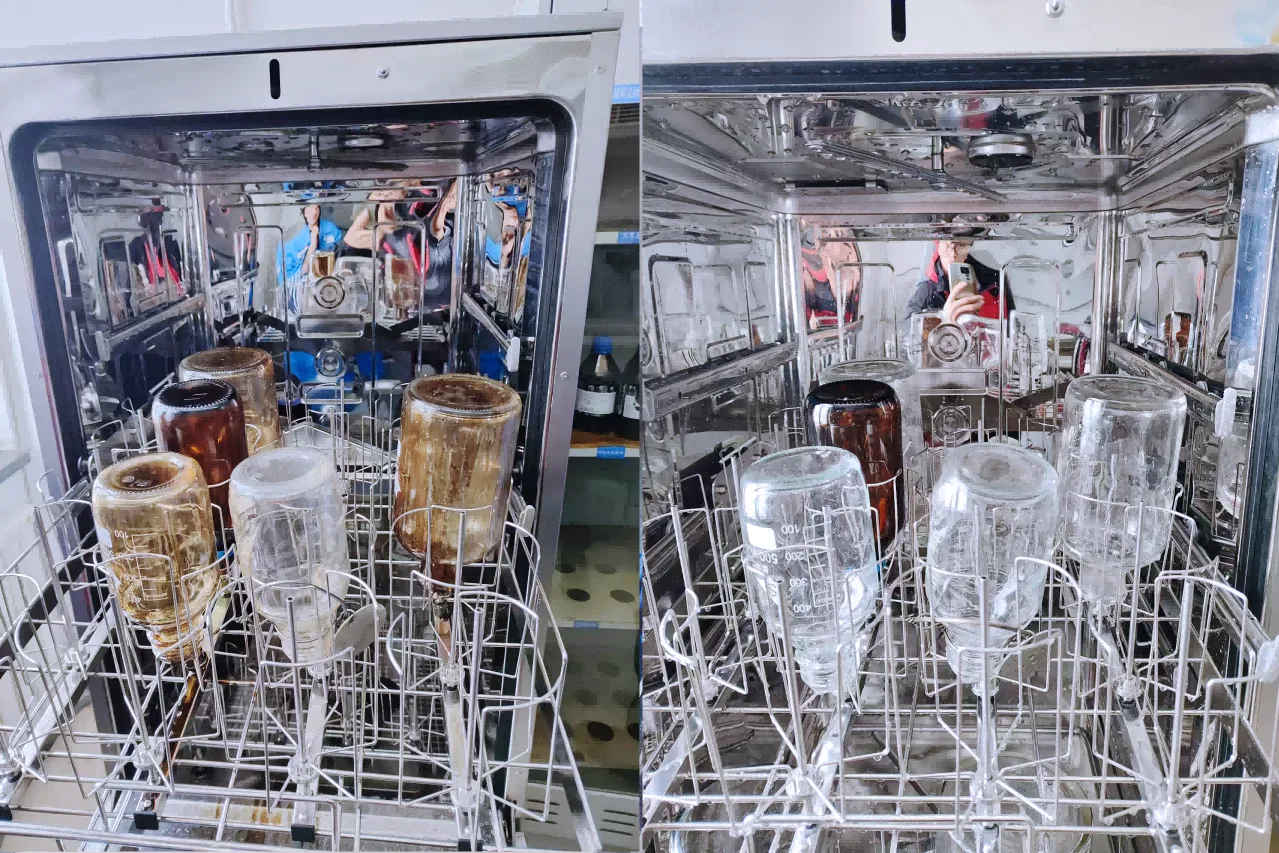
Program-Controlled Precise Decontamination Reduces Experimental Errors
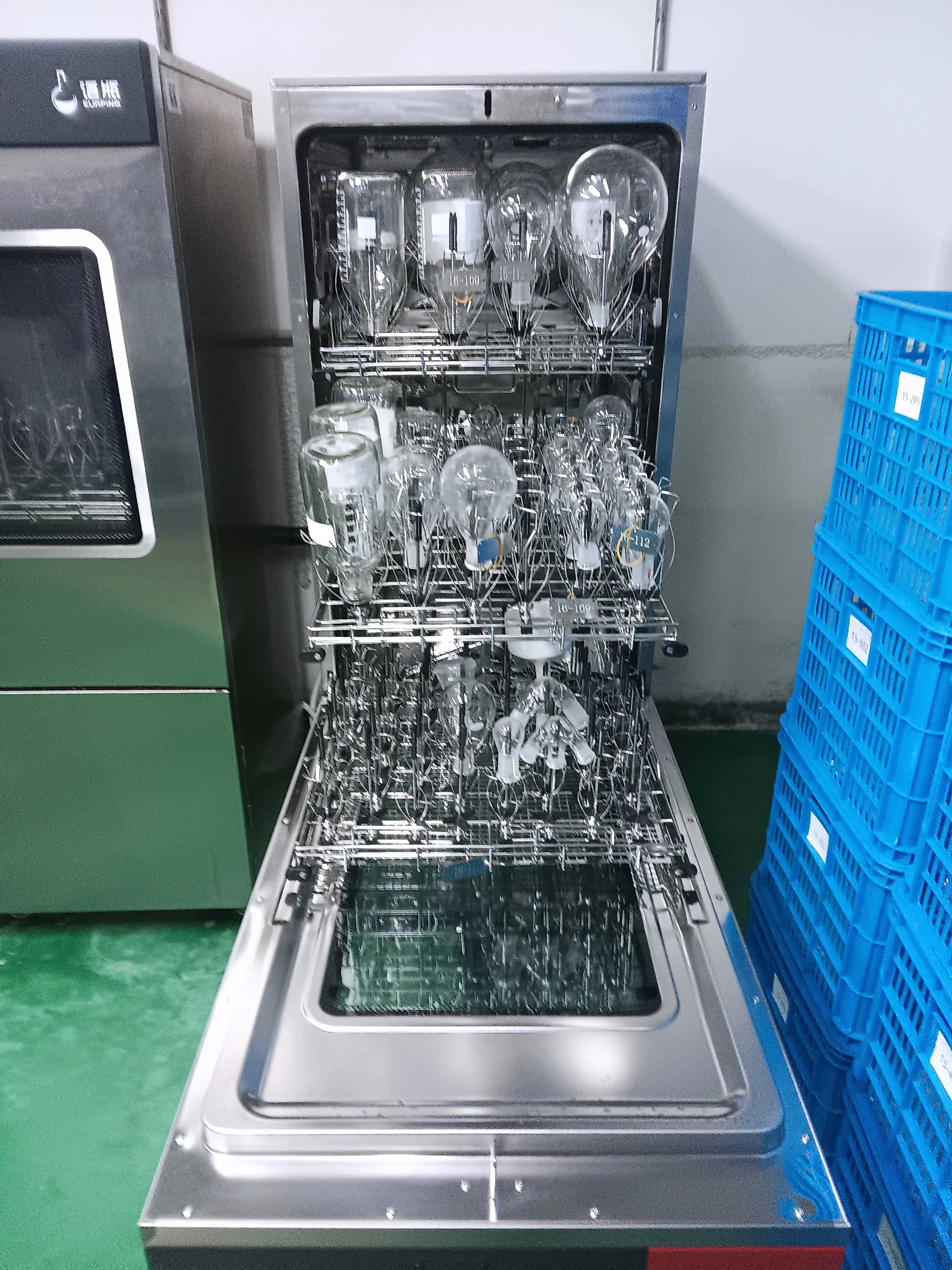
You can freely adjust cleaning temperature, duration and rinse cycles for stubborn contaminants from different industries. Deep-level cleanliness is achieved through standardized processes instead of rough manual scrubbing. Various tough residues get removed reliably. Experimental errors originating from glassware are minimized, making every test result more trustworthy.
Post time:Sep-04-2026