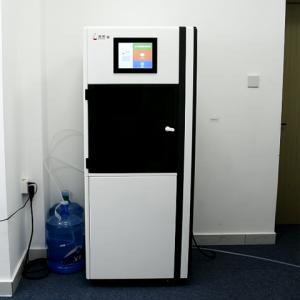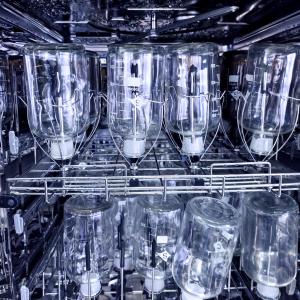
Maintenance Guide for EURPING Laboratory Glassware Washers Extend Service Life & Ensure Stable Cleaning Performance
Laboratory Glassware washers are core equipment for lab cleanliness. Many users think maintenance is troublesome and time-consuming. In fact, with the right equipment and simple tips, you can enjoy hassle-free upkeep.EURPING designs products for high-frequency lab use with easy maintenance in mind. We have also prepared practical maintenance points to help you avoid breakdowns and keep your equipment running reliably for a long time.
Basic Maintenance: Key Points & Simple Operation
Maintenance does not have to be complicated. Just remember these tips:
Clean out debris inside the cleaning chamber after each use to prevent stains from drying on.
Check the equipment during daily operation for unusual noise, water leaks or other small issues.
No extra intensive care is needed. Basic cleaning and simple checks can prevent most problems.Even first-time users can master basic maintenance with zero stress.
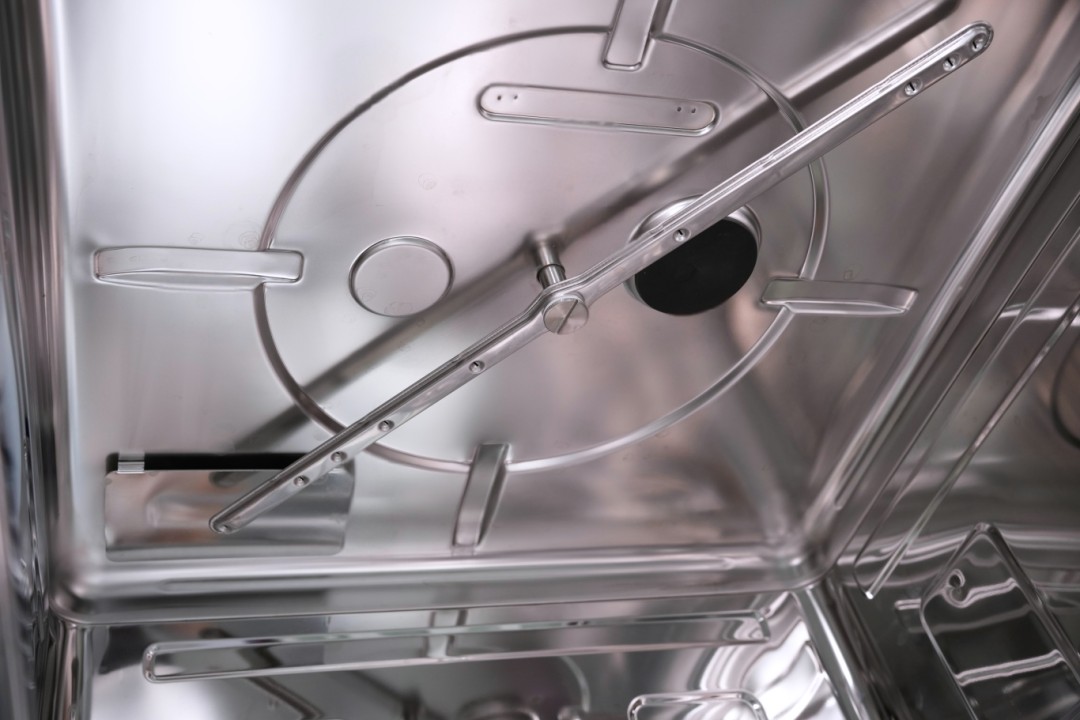
Easy Cleaning: Quick-Release Design for Effortless Care
Unlike ordinary washers, EURPING focuses on easy cleaning and simple maintenance with no complicated assembly or disassembly.
The filter and spray arm use a quick-release design. You can remove and clean them by hand without any tools.
Debris in hidden corners is easily washed away, preventing clogging and ensuring cleaning performance.
The large viewing tempered glass window allows direct observation of operation. The glass is acid-resistant and corrosion-resistant, and can be wiped clean in one simple step.
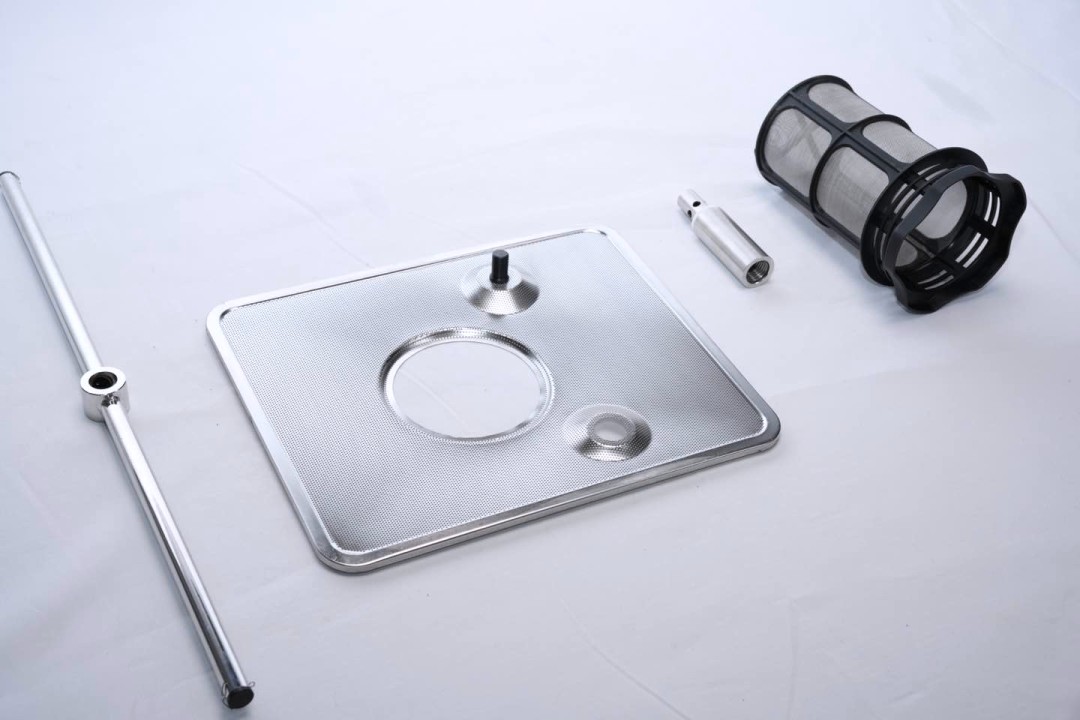
Durable Materials: Long-Lasting Build for Less Maintenance
Durable equipment means less maintenance work.
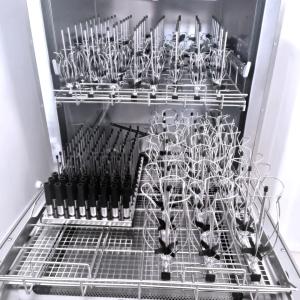
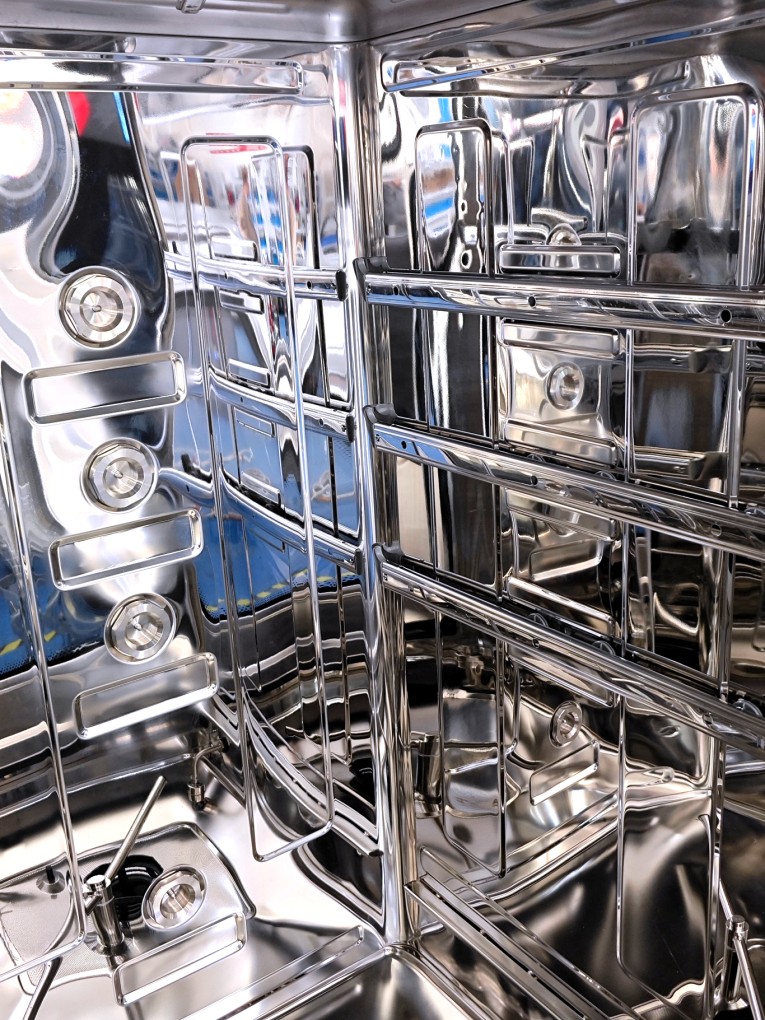
The entire cleaning chamber is made of 316L mirror-finish stainless steel.
This material is corrosion-resistant, wear-resistant and has a smooth surface that does not trap dirt.
It stays clean with just daily wiping, and its service life is much longer than ordinary materials.It maintains high performance for years without frequent deep maintenance, reducing both frequency and cost of upkeep.
Related News